

Brush Piles for Birds
REFUGE IN THE BACKYARD

Build a brush pile for birds in your backyard, and your home will become a more interesting, richer place.
Birdwatchers can help put habitat back. We can turn our hand to helping wildlife, especially birds. One way is to construct a brush pile for birds. Many birds that are usually elusive will visit it and give you some good eye-level viewings.
I made my first brush pile on a winter day because I needed something to do with the branches that littered my yard after an ice storm. I hadn't read anything about proper construction, and I simply tossed the sticks into a loose pile. It was not the perfect designer brush pile, but the birds loved it!
American Tree Sparrows adopted the new brush pile right away, soon to be joined by many other species. Because my yard now offered better protection than before, twice as many birds started patronizing my feeders. Whenever a Sharp-shinned Hawk visited the yard, the smaller birds swooshed like wind-blown leaves into the safety of the brush pile.
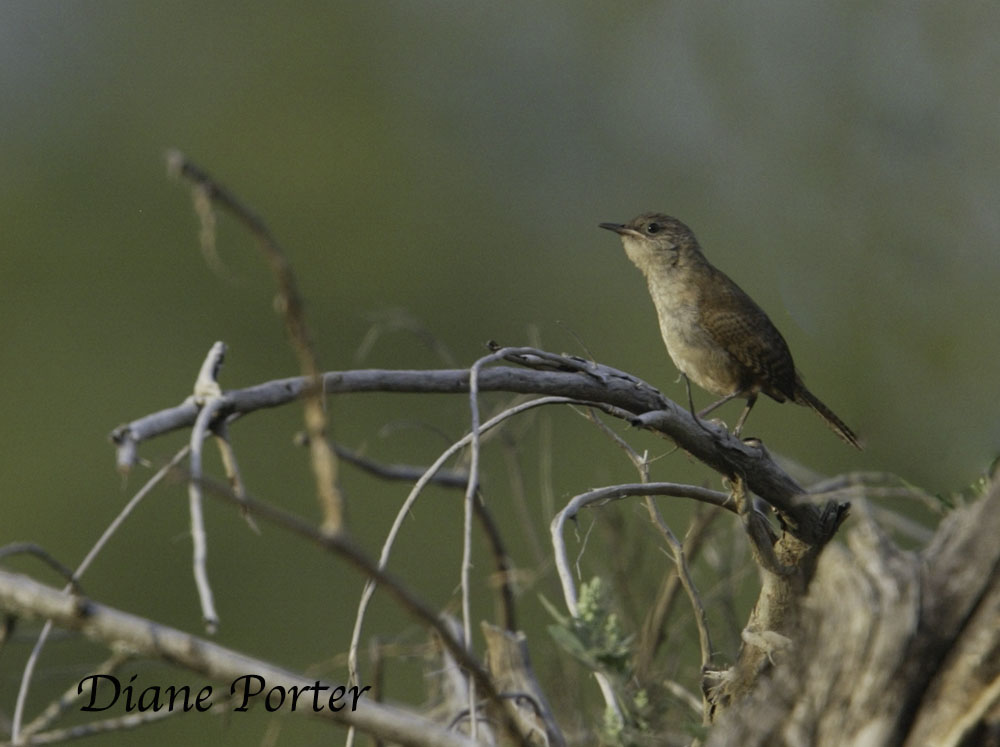
When spring came, Eastern Phoebes perched every day on the highest sticks to watch for flying insects. In summer, House Wrens prowled through its openings for small creatures to capture and take to their babies in the nest. In fall, the brush pile was where I spotted the first Lincoln's Sparrow of the season, a bird I'd never seen in my yard before.
But always it is winter when the brush pile really comes into its own. In the morning after a fresh snowfall, on its top and around its base, I find the calligraphy left by small creatures in the snow. There are poignant stories. I once followed the track of a small rodent that ended with the imprint of two large wings.
How to build a super brush pile

Any jumble of limbs will attract birds. But with a little attention to the details you can create a super brush pile that will sing out "home" to birds and will attract a wide variety of species. It's a great side project for cleaning up the yard, cutting firewood, or clearing land for a new building.
In a suburban yard, you may only have room for a small pile, but birds will certainly use it. However, bigger is better. If you have the space for it, a pile ten feet square and six to ten feet tall is ideal. A well-built brush pile of this size should last for quite a few years. You can add to it over the seasons, as it slowly settles and shrinks. Eventually its interior spaces will fill or collapse. When it becomes hard to toss branches into the center, it may be time to start a new pile. The remains of the old one will slowly decay, whoich enriching the soil and the environment.
Where to build a brush pile
If you have a garden, it makes sense to site your brush pile nearby, so that your flowers and vegetables will get maximum benefit from bug-munching birds. I like my brush pile where I can watch the action from the kitchen window. I don't want to miss the monarch's green and golden chrysalis turning transparent before the butterfly emerges. If Brown Thrashers come poking around my brush pile like they're thinking about building a nest there, I want to see that happen.
However, this sort of structure doesn't fit in with everyone's yard decor. If that's the case, go ahead and tuck it into an out-of-the-way corner. Even a small, inconspicuous brush pile will increase the amount of bird life in your immediate environment.
Or if you have more space, or if you live in the country, you might even want to build more than one. Wildlife biologists recommend putting them close to woods, so that forest-dwelling birds can use them as cover when venturing out into fields. Birds also make heavy use of brush piles that are constructed near streams and wetlands.
Community acceptance
If you live in town it's wise to consult your municipal regulations before creating a brush pile in the back yard. Some cities have rules about where you can put a brush pile or how big it can be, or they may even forbid it entirely. Other communities don't object unless they receive complaints. It may be politic to put your brush pile where it won't offend your neighbor's view.
But there's no reason to make a brush pile unsightly! Plant morning glories, clematis, or other blooming vines by its side. They'll clamber over it, drape it, and turn it into a hill of flowers. The wild birds who use it will be ambassadors for natural habitat in your neighborhood.
Recipe for a super brush pile

Cut or gather a collection of limbs and branches. It's ideal if some are at least four to six inches in diameter.
Arrange your largest branches parallel on the ground, with space between to create tunnels for larger birds. Any kind of wood will do, but a bottom layer of rot-resistant locust or oak will prolong the brush pile's life.
For the second level, place your next-largest branches at right angles to the first, log-cabin style. Continue criss-crossing branches to a height of three to five feet. Weave the wood together to make a stable construction.
Your pile doesn't have to be perfectly neat. Irregularity provides a matrix of spaces for a variety of species.
Make your brush pile loose at the outside, so birds can get in easily and quickly. The center should be tighter, to provide small refuges where a bird can escape predators.
Wild and full of wonder
As you get to the top, work in smaller material, arranged more densely. Finish with a thick, layered roof of evergreen branches to conceal the interior. In winter, snow will crust on top and form chambers as snug as an igloo. After the holidays, add boughs from discarded Christmas trees for extra insulation.
In a natural landscape, brush piles happen without any assistance from people. In the woods, storm-felled trees and branches take on new life as havens for birds and wild animals. Toads, salamanders, insects, and spiders live in the tangled brush on the forest floor, creating a smorgasbord of delicacies. Streams at flood stage pile up fortresses of wrecked branches, where waterthrushes, common yellowthroats, catbirds, swamp sparrows, and many other species find shelter and good foraging.
We humans try to control all that. We channelize our streams. We manicure our landscapes. And the diminished natural habitat translates into less wildlife diversity — fewer birds, in our lives.
But we long for a touch of the wild in our human-dominated spaces. We need its freshness and its mystery.
Build a brush pile, and you'll find you have more nature in your own backyard. You'll see birds you might have missed. You'll witness events that will surprise you. And you'll have the satisfaction of putting back a bit of the wild — back into your environment, back into your life.